Understanding What “Racism Slogans” Refers To
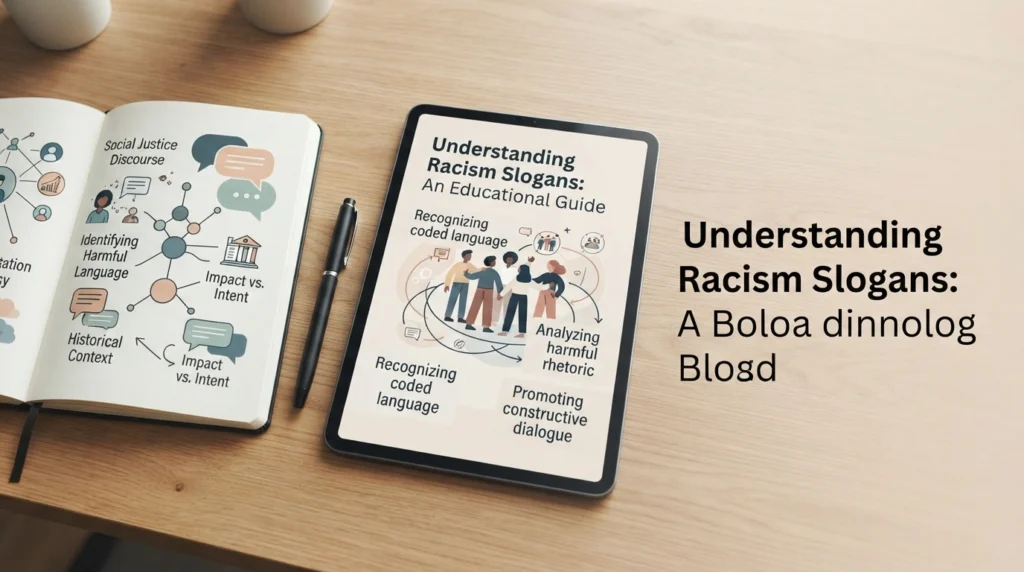
When people search for racism slogans, they are almost always looking for phrases used in anti-racism campaigns, civil rights history, and diversity education, not language that promotes discrimination.
Racism slogans, in this widely understood sense, refer to short, memorable phrases created by activists, educators, and organizations to raise awareness about racial injustice and encourage equality.
This guide covers exactly that: the history of these phrases, well-documented examples from civil rights history and modern campaigns, the communication principles that make them effective, and practical guidance for schools or organizations building their own awareness materials. Everything here is grounded in documented history and referenced organizations rather than speculation.
“We shall overcome” became one of the defining phrases of the American civil rights movement, carried from protest marches into classrooms and public memory for generations.
Where Anti-Racism Slogans Come From
Anti-racism slogans didn’t originate in marketing departments
they emerged from organized social movements responding to real historical injustice. According to the National Museum of African American History and Culture, phrases used during the civil rights movement were often born out of speeches, hymns, and organizing meetings before becoming widely recognized public slogans.
The Civil Rights Movement Era (1950s–1960s)
The American civil rights movement produced some of the most historically significant racism-related slogans ever documented, including phrases used during marches, sit-ins, and public demonstrations.
According to the Library of Congress, “We Shall Overcome” originated as a gospel and labor movement song before becoming closely associated with the civil rights movement, illustrating how these phrases often carried deep cultural roots long before appearing on protest signage.
The Expansion of Diversity and Inclusion Messaging (1980s–2000s)
As organizations began formalizing diversity and anti-discrimination policies in workplaces and schools, new racism-related slogans emerged focused on institutional change rather than solely public protest.
This period introduced phrases commonly seen in school curricula and workplace training materials, emphasizing equal treatment and the rejection of discriminatory behavior in everyday settings.
Modern Anti-Racism slogans Campaigns (2010s–Present)
Recent years have seen a significant increase in public visibility for anti-racism messaging, with organizations and movements using social media to spread short, shareable phrases quickly.
According to the NAACP and the Anti-Defamation League, modern campaigns increasingly combine historical language with newer phrases addressing specific, contemporary issues, reflecting ongoing public conversations about racial equity.
Well-Documented Racism Slogans in History and Advocacy
Here are some of the most historically documented and widely referenced racism-related slogans used in civil rights history and modern anti-racism campaigns:
- “We Shall Overcome” A defining phrase of the civil rights movement, rooted in earlier gospel and labor traditions.
- “Equal Rights, Equal Justice” A phrase commonly associated with legal and policy-focused civil rights advocacy.
- “Silence Is Complicity” A widely used phrase in modern anti-racism education, encouraging active engagement rather than passive avoidance.
- “Racism Has No Place Here” A phrase commonly used in school and workplace anti-discrimination campaigns.
- “Judge Character, Not Color” A phrase referencing the widely cited language from Dr. Martin Luther King Jr.’s “I Have a Dream” speech.
- “Unity Over Division” A phrase used across multiple community-based diversity initiatives.
- “Stand Against Hate” A phrase used broadly in campaigns opposing racial discrimination and hate crimes.
Each of these racism-related slogans reflects a specific historical or organizational context, ranging from civil rights-era activism to modern institutional diversity efforts.
Why These Racism Slogans Are Designed to Be So Memorable
Communication researchers studying social movements point to a few consistent principles behind effective anti-racism slogans, many of which mirror techniques used across other advocacy campaigns:
- Rootedness in real experience The most enduring phrases often originate from lived history rather than being invented purely for marketing purposes, giving them lasting authenticity.
- Simplicity for mass repetition Short, direct phrases are easier to chant at demonstrations, print on signage, and share across social media platforms.
- Connection to a specific value Effective slogans clearly state a value, such as equality or unity, rather than relying on vague or abstract language.
This combination of historical grounding and simplicity explains why certain civil rights-era phrases remain instantly recognizable generations after they were first used.
How Schools and Organizations Use These Racism Slogans Today

Racism-related slogans continue to appear across many educational and institutional settings. Schools frequently reference historical phrases like “We Shall Overcome” during civil rights history lessons and observances such as Black History Month, often pairing them with primary source materials to provide historical context rather than using them as isolated decoration.
Workplaces and community organizations often use anti-racism slogans in diversity training materials, internal communications, and public statements.
Organizations such as the Anti-Defamation League and the Southern Poverty Law Center provide educational resources and recommended messaging frameworks that schools and businesses can reference when building their own anti-discrimination materials.
Tips for Creating Thoughtful Anti-Racism Messaging

If you’re building materials for a school project, workplace training, or community awareness campaign, here are practical tips grounded in current educational best practices:
- Prioritize historical accuracy. If referencing a civil rights-era phrase, verify its original context and attribution before using it in your materials.
- Avoid oversimplifying complex history. A slogan can introduce a topic, but it should be paired with accurate historical or educational context rather than standing alone.
- Focus on a clear, specific value. Phrases centered on concepts like equality, respect, or unity tend to be clearer than vague general statements.
- Credit original sources when appropriate. Many well-known phrases are tied to specific historical figures or movements and should be attributed accordingly.
- Pair messaging with real action. Educators and organizations note that slogans are most meaningful when connected to genuine educational content or policy commitments, not used as a standalone gesture.
Studying how historically significant phrases originated and spread offers a useful lesson in creating anti-racism messaging that is both accurate and genuinely meaningful.
Frequently Asked Questions
What is the most well-known anti-racism slogan in American history?
“We Shall Overcome” is widely regarded as one of the most historically significant phrases associated with the American civil rights movement, according to the Library of Congress.
Where did “We Shall Overcome” come from?
According to the Library of Congress, the phrase originated from an earlier gospel and labor movement song before becoming closely associated with civil rights demonstrations in the 1950s and 1960s.
Are modern anti-racism slogans different from civil rights-era ones?
Yes. While many modern campaigns still reference historical language, contemporary anti-racism slogans often address specific, current issues and spread primarily through social media rather than physical demonstrations alone.
Where can I find educational resources on anti-racism history and messaging?
Organizations such as the National Museum of African American History and Culture, the NAACP, and the Anti-Defamation League publish educational resources covering civil rights history and modern anti-discrimination efforts.
Can students use civil rights-era slogans for a school history project?
Yes, provided the phrases are accurately attributed to their historical origin and used within proper educational context rather than as standalone decoration.
Conclusion
Racism-related slogans, in the context most people search for, represent decades of organized advocacy against discrimination, rooted in real historical movements rather than invented marketing language.
From the civil rights-era resonance of “We Shall Overcome” to modern institutional phrases used in schools and workplaces, these slogans document an ongoing effort to communicate values of equality and unity.
Understanding their historical origins and proper context offers a more accurate and meaningful picture of how language has been used to advocate for change over time.
References
- Library of Congress, “We Shall Overcome: History of a Song” loc.gov
- National Museum of African American History and Culture, Civil Rights History Resources nmaahc.si.edu
- NAACP, “History and Mission” naacp.org
- Anti-Defamation League, “Education and Anti-Bias Resources” adl.org
- Southern Poverty Law Center, “Teaching Tolerance and Anti-Discrimination Resources” splcenter.org
- National Archives, “Civil Rights Movement Historical Records” archives.gov