A Complete Guide to Shark Slogans Across Conservation and Pop Culture
Sharks occupy a unique place in public imagination feared, fascinating, and increasingly recognized as critical to ocean health.
That mix of emotion is exactly why shark slogans show up in so many different contexts, from ocean conservation campaigns fighting to protect vulnerable species, to Shark Week promotions that turn the same animal into a source of summer entertainment.
In this guide, we’ll look at where shark slogans come from, cover real examples across conservation, education, and entertainment, explain the communication principles that make these phrases effective, and share practical tips for writing your own.
Whether you’re building a classroom project, a conservation campaign, or ocean-themed branding.
This is a working guide grounded in real organizations and documented campaigns, not a generic list pulled from nowhere.
Understanding the Two Worlds of Shark Slogans
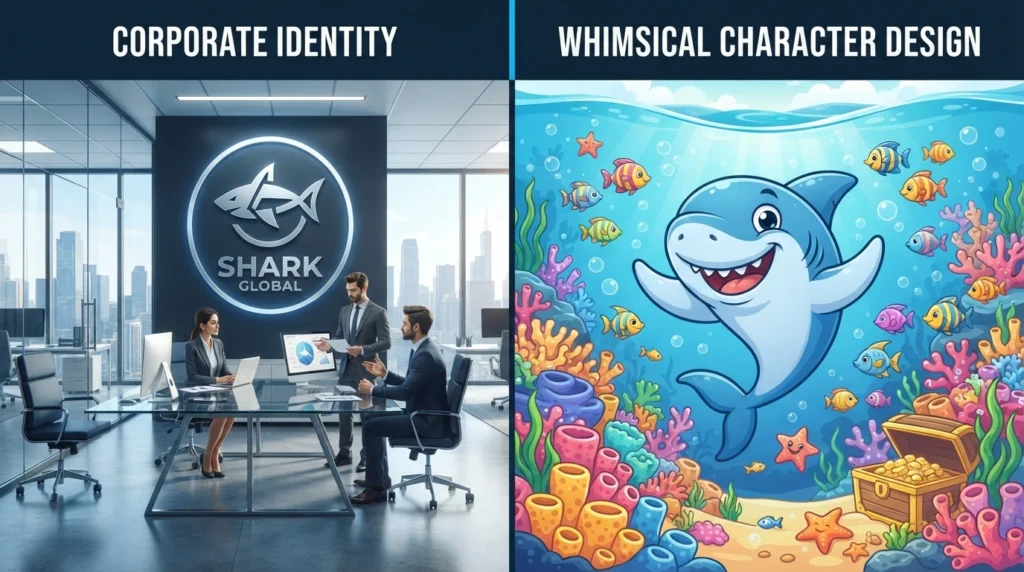
Shark slogans generally fall into two distinct categories, and understanding the difference matters if you’re trying to write your own.
The first category includes conservation-focused slogans created by marine science and wildlife organizations to raise awareness about declining shark populations and the ecological importance of these animals.
The second category includes lighter, entertainment-focused slogans used by media brands, aquariums, and pop culture events like Shark Week to build excitement around sharks as a subject of fascination.
Both categories rely on the same core emotional territory awe, fear, and curiosity but conservation slogans typically aim to shift public perception toward protection.
While entertainment slogans lean into thrill and spectacle. Recognizing which category fits your purpose is the first step toward writing an effective shark-related phrase.
“Sharks need us to speak up before it’s too late” reflects the tone of conservation-focused shark slogans, pairing urgency with a clear call to action.
The History Behind Shark Conservation Messaging
Public perception of sharks has shifted dramatically over the past several decades, and shark slogans have played a role in that change.
The Fear-Driven Era (1970s–1990s)
Following the release of major shark-themed films in the 1970s, public perception of sharks skewed heavily toward fear, and early messaging around sharks in media largely reinforced this image rather than promoting conservation.
According to marine conservation researchers, this period contributed to public support for shark culling programs in some regions, driven by fear-based cultural narratives rather than scientific understanding of shark behavior and ecological importance.
The Rise of Conservation Awareness (2000s)
As scientific research increasingly highlighted dramatic declines in global shark populations due to overfishing and finning, conservation organizations began developing more deliberate messaging campaigns aimed at reversing negative public perception.
According to the Shark Trust and similar organizations, this period introduced shark slogans focused on ecological importance, shifting the narrative from fear toward the recognition that sharks play a critical role as apex predators in maintaining healthy ocean ecosystems.
Modern Shark Awareness and Entertainment (2010s–Present)
Today’s shark-related messaging spans both serious conservation campaigns and mainstream entertainment. Organizations such as WildAid and Oceana continue to use direct, urgent shark slogans in anti-finning and habitat protection campaigns.
While media events like Discovery Channel’s Shark Week use catchy, excitement-driven taglines to attract large television audiences, showing how the same subject can support very different messaging goals.
Popular Conservation-Focused Shark Slogans
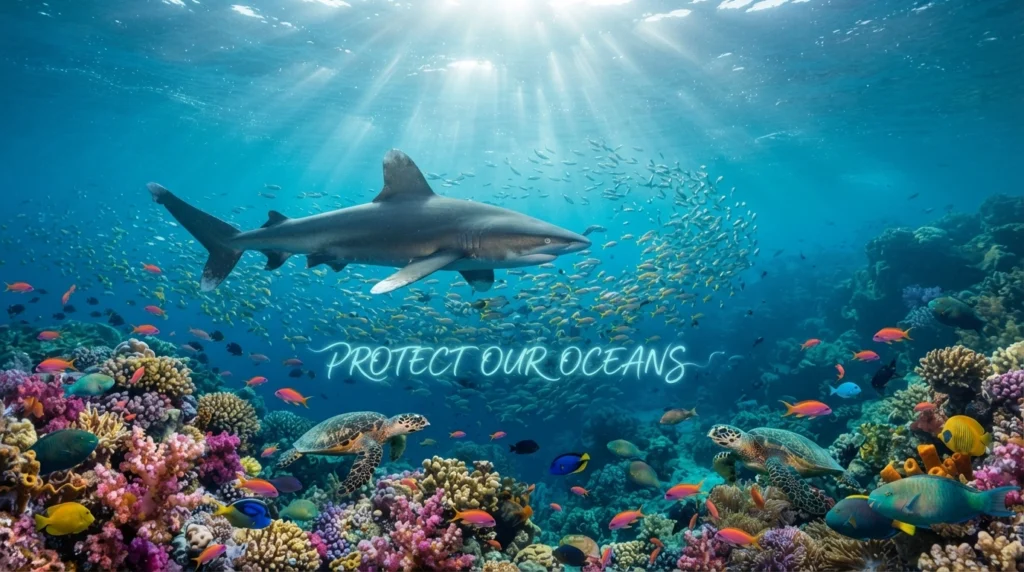
Here are some of the most recognized shark slogans used in ocean conservation and awareness campaigns:
- “Save Sharks, Save the Sea” A phrase connecting shark protection directly to overall ocean health.
- “No Sharks, No Balance” A phrase emphasizing the ecological role of sharks as apex predators.
- “Fins Belong on Sharks” Widely used in anti-shark-finning awareness campaigns.
- “Protect the Ocean’s Guardians” A phrase reframing sharks as essential rather than dangerous.
- “Sharks Need Us Now” A direct, urgency-driven phrase common in conservation fundraising materials.
- “Every Shark Counts” A phrase used in population conservation and research awareness campaigns.
- “Respect the Reef, Respect the Shark” A phrase linking shark conservation to broader marine habitat protection.
Each of these shark slogans reflects a conservation-focused message designed to shift public attitudes from fear toward protection and respect.
Popular Shark Week and Entertainment Slogans
In contrast to conservation messaging, entertainment-focused shark slogans lean into excitement and spectacle. Common examples associated with shark-themed media events and attractions include:
- “Jaw-Dropping Adventures Await” A playful phrase often used in aquarium and exhibit marketing.
- “A Week Unlike Any Other” Associated with annual television programming built around shark content.
- “Get Ready to Bite Into Summer” A seasonal phrase pairing sharks with a specific time of year.
- “Fear Meets Fascination” A phrase capturing the dual emotional appeal that makes sharks compelling to audiences.
- “Dive Into the Deep End of Excitement” Common in aquarium and marine park promotional materials.
These entertainment-focused shark slogans prioritize thrill and curiosity, standing in clear contrast to the protective, urgency-driven tone of conservation messaging.
Why These Slogans Are Designed the Way They Are

Communication researchers point to a few consistent principles behind effective shark slogans, whether the goal is conservation or entertainment:
- Emotional contrast Sharks naturally evoke both fear and fascination, and effective slogans lean into one of these emotions deliberately rather than sending a mixed message.
- Short, urgent phrasing for conservation messaging Conservation-focused shark slogans tend to be direct and action-oriented, reflecting the genuine urgency behind declining shark populations.
- Playful rhythm for entertainment messaging Slogans tied to media events often use alliteration or wordplay to create excitement rather than urgency.
Understanding which emotional register your slogan needs to hit is often more important than finding a clever phrase, since a mismatched tone can undermine the intended message entirely.
How Organizations Use Shark Slogans in Real Campaigns
Shark slogans appear across a wide range of settings depending on their purpose. Conservation organizations such as Oceana, WildAid, and the Shark Trust use direct, urgency-driven slogans in fundraising appeals, petition campaigns, and public education materials aimed at reducing shark finning and habitat destruction.
These organizations often pair their slogans with scientific data to reinforce credibility.
Entertainment brands and aquariums, meanwhile, use catchier, excitement-driven shark slogans in television promotions, exhibit signage, and social media marketing designed to draw large audiences.
Marine science communicators note that while these two messaging styles differ significantly in tone, both play a role in shaping how the public understands and engages with sharks.
Tips for Writing Your Own Shark Slogan
If you’re creating materials for a school project, conservation campaign, or ocean-themed brand, here are practical tips for writing an effective shark slogan:
- Decide your goal first. A conservation-focused slogan needs urgency and a clear call to action, while an entertainment-focused slogan can lean into excitement and wordplay.
- Use scientifically accurate language. For conservation campaigns especially, avoid exaggerated claims about shark danger that could undermine credibility.
- Keep it short. Aim for four to eight words so the phrase works across posters, social media, and headlines.
- Consider your audience. A classroom project may call for a more playful tone than a formal conservation fundraising campaign.
- Pair the slogan with real information. A memorable phrase works best alongside accurate facts about shark populations, behavior, or ecological importance.
Studying how conservation organizations balance urgency with scientific accuracy offers a useful lesson for anyone writing awareness-focused shark slogans.
Frequently Asked Questions
What is a well-known shark conservation slogan?
“Fins Belong on Sharks” is a widely recognized phrase used in anti-finning awareness campaigns by multiple marine conservation organizations.
Why do shark slogans often differ between conservation and entertainment contexts?
Conservation slogans aim to build support for protection efforts and typically use urgent, direct language, while entertainment slogans aim to attract audiences and often use playful, excitement-driven phrasing instead.
Are sharks actually endangered?
Many shark species face significant population declines due to overfishing and habitat loss, according to marine conservation organizations, which is why conservation-focused shark slogans often emphasize urgency.
Can I use a shark slogan for a school project on ocean conservation?
Yes. Many documented shark conservation slogans are commonly referenced in educational projects, provided they are used with accurate supporting information about shark ecology and conservation status.
Where can I find reliable information about shark conservation efforts?
Organizations such as Oceana, the Shark Trust, and NOAA Fisheries publish research-based resources on shark populations, threats, and ongoing conservation initiatives.
Conclusion
Shark slogans reflect two very different but equally significant relationships humans have with these animals: genuine ecological concern and enduring cultural fascination.
From urgent, protection-focused phrases used by marine conservation organizations to playful, excitement-driven taglines associated with Shark Week and aquarium marketing, these slogans show how the same subject can support dramatically different messaging goals.
Understanding this distinction, along with the real science behind shark conservation, offers a more accurate and meaningful foundation for anyone writing their own shark-related messaging.
References
- Oceana, “Shark Conservation Campaigns and Research” oceana.org
- Shark Trust, “Shark Conservation Education Resources” sharktrust.org
- Wild Aid, “Fin Free Campaign History and Impact” wildaid.org
- NOAA Fisheries, “Shark Research and Population Data” fisheries.noaa.gov
- Discovery Channel, “Shark Week History and Programming” discovery.com
- National Geographic, “Sharks: Facts and Conservation Status” nationalgeographic.com