The Ultimate Guide to Historical, Powerful & Memorable Phrases
Throughout history, nations have relied on short, powerful phrases to rally citizens, boost morale, and communicate urgent messages during times of conflict.
That’s exactly why slogans for war have played such a significant role in shaping public opinion, encouraging enlistment, and uniting communities during difficult periods.
Whether studied for historical research, educational projects, or museum exhibits, slogans for war offer fascinating insight into how language has been used to inspire, mobilize, and communicate during some of history’s most challenging moments.
In this comprehensive guide, we’ll explore what makes slogans for war historically significant, examine well-known examples across different eras, and show you how these short phrases reflect the values, fears, and hopes of the societies that created them.
What Are Slogans for War?
Slogans for war are short, memorable phrases used throughout history during times of conflict to encourage enlistment, boost civilian morale, promote resource conservation, or communicate national unity.
These phrases often appeared on posters, in newspapers, and across public broadcasts during major historical conflicts.
Unlike lengthy political speeches, slogans for war condensed complex wartime messages into just a few impactful words that ordinary citizens could easily remember and repeat.
This is exactly why historians, educators, and museums continue to study slogans for war as valuable artifacts of political communication and public messaging.
The Historical Context Behind These Messages
Understanding slogans for war requires looking at the specific historical context in which they appeared, since each phrase reflected the unique challenges, fears, and priorities of its particular era.
Why Slogans for War Matter for Historical Understanding
Studying wartime communication offers valuable insight into how governments and societies responded to crisis. Well-documented slogans for war serve several important educational purposes:
- They reveal how governments communicated urgency during national crises
- They demonstrate the power of concise language in shaping public opinion
- They’re widely studied in history classes, museums, and academic research
- They help historians understand civilian morale during difficult periods
- They illustrate how propaganda techniques evolved throughout the twentieth century
As historians studying wartime communication often note:
“Words on a poster could move a nation before any battle began.”
This observation captures exactly why slogans for war remain such an important subject for historical study, since they demonstrate the powerful role language played in shaping national response during times of conflict.
Studying Propaganda as a Historical Discipline
Academic institutions worldwide treat wartime propaganda, including slogans for war, as a serious field of study within political science, journalism, and history departments, recognizing its lasting influence on modern communication and marketing techniques.
Well-Known Slogans for War From World War I
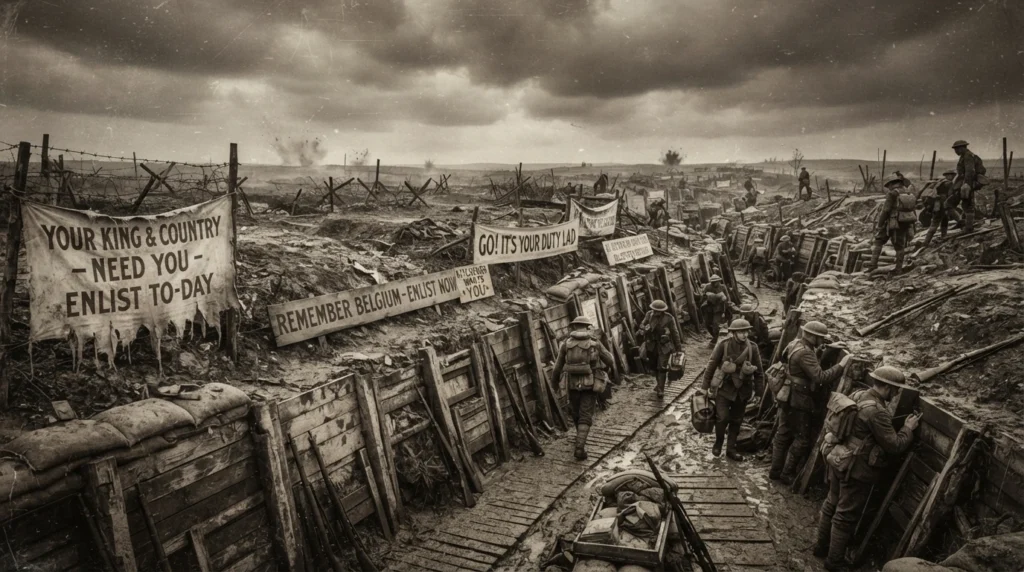
World War I introduced some of the most recognizable wartime phrases in modern history, many of which remain widely studied today:
- “Your country needs you” a recruitment phrase associated with British enlistment campaigns
- “Food will win the war” used to encourage civilian conservation efforts
- “Buy war bonds” a common phrase used to fund military operations
- “Do your bit” encouraging civilian participation in the war effort
- “Loose lips sink ships” cautioning against sharing sensitive information
- “Save and serve” promoting resource conservation on the home front
- “Enlist today” a straightforward recruitment message used widely
- “Every man ready” emphasizing collective military preparedness
- “Support our troops” a phrase encouraging civilian solidarity
- “Victory gardens grow victory” promoting home food production
These historical slogans for war reflect the widespread civilian mobilization efforts that characterized early twentieth-century conflicts.
Recognizable Slogans for War From World War II
World War II produced some of the most culturally significant wartime phrases in history. Educational resources frequently reference examples such as:
- “Careless talk costs lives” a caution against revealing sensitive information
- “We can do it” associated with wartime industrial workforce campaigns
- “Keep calm and carry on” a resilience-focused civilian morale phrase
- “Waste not, want not” promoting resourcefulness during rationing periods
- “Dig for victory” encouraging home food cultivation
- “United we stand” emphasizing national unity during crisis
- “Freedom is not free” highlighting the sacrifices of military service
- “Together we win” reinforcing collective national effort
- “Save fuel for the fighters” promoting civilian resource conservation
- “Make do and mend” encouraging resourcefulness with limited supplies
These slogans for war are frequently referenced in history textbooks, museum exhibits, and documentary films exploring civilian life during global conflict.
Slogans for War Focused on Home Front Efforts
Beyond recruitment and morale, many historical phrases specifically targeted civilian behavior on the home front. Common themes included:
- Rationing encouragement, promoting careful use of limited resources
- Conservation messaging, encouraging reduced consumption of goods
- Industrial motivation, inspiring factory workers supporting war production
- Community solidarity, reinforcing neighborhood and national unity
- Information security, cautioning against sharing sensitive details
- Financial support, encouraging citizens to purchase war bonds
- Agricultural production, promoting home and community gardening
- Recycling initiatives, encouraging material reuse for military production
- Volunteer recruitment, encouraging civilian participation in support roles
- Emotional resilience, reinforcing hope and determination during hardship
These themes demonstrate how slogans for war extended far beyond military recruitment, touching nearly every aspect of civilian daily life during major conflicts.
The Role of Visual Design in Wartime Messaging
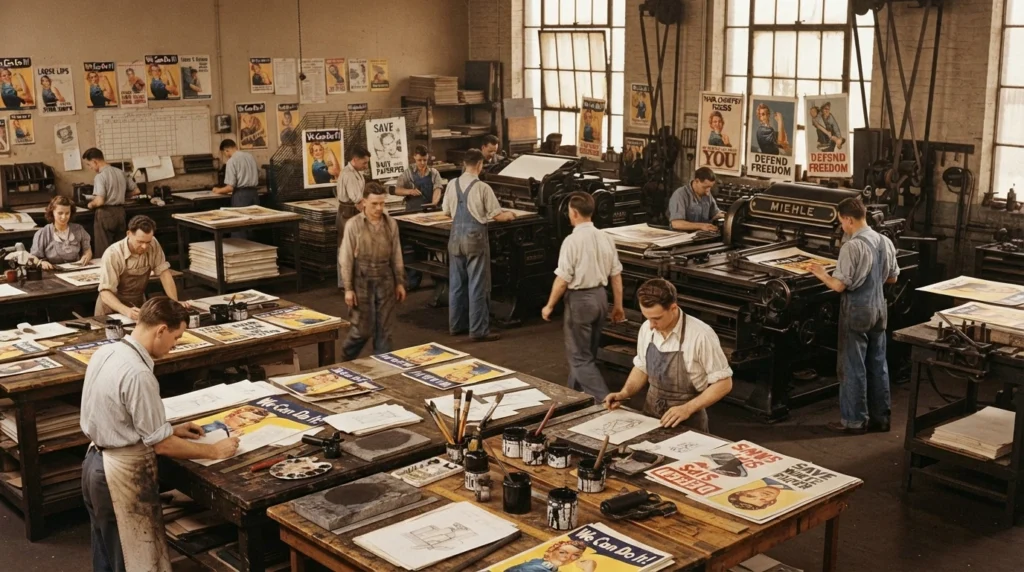
Slogans for war were rarely used alone; they typically appeared alongside powerful visual imagery on posters and public displays. This combination of striking visuals and memorable phrases significantly increased the emotional impact and memorability of wartime messaging campaigns.
Why Visual Pairing Increased Effectiveness
Design historians note that the pairing of bold imagery with short, direct phrases created a lasting psychological impact, making certain slogans for war instantly recognizable even decades after the conflicts ended.
How Historical Slogans for War Are Studied Today

Modern researchers, educators, and museum curators continue to study these historical phrases for various academic and cultural purposes.
Educational Applications in Classrooms
History teachers frequently use slogans for war as primary source material, helping students understand propaganda techniques, government communication strategies, and civilian experiences during major historical conflicts.
Museum and Archival Preservation
Many museums dedicate entire exhibits to wartime posters and messaging, preserving these historical slogans for war as important cultural and educational artifacts for future generations to study and understand.
Academic Research and Media Studies
Communication and media studies programs often analyze slogans for war when teaching students about persuasion techniques, public messaging strategies, and the historical evolution of modern advertising and political communication.
Understanding the Broader Context of Wartime Communication
When studying slogans for war, it’s important to understand them within their broader historical, political, and social context rather than viewing them in isolation.
These phrases reflected specific governmental strategies designed to unite civilian populations during periods of significant national uncertainty and hardship.
Learning From Historical Communication Strategies
Analyzing these historical phrases helps contemporary researchers and educators better understand how concise, emotionally resonant language can influence public behavior, a lesson that extends well beyond historical study into modern marketing and public communication fields.
Frequently Asked Questions
Why were slogans for war so widely used historically?
They provided a simple, memorable way for governments to communicate urgent messages and encourage civilian participation during major conflicts.
Where can historical slogans for war be studied today?
They can be found in museums, history textbooks, academic archives, and documentary resources focused on twentieth-century conflicts.
Did slogans for war only focus on military recruitment?
No, many phrases focused on civilian behavior, including rationing, conservation, information security, and community morale.
Why do historians continue studying these wartime phrases?
They offer valuable insight into propaganda techniques, public communication strategies, and civilian experiences during significant historical periods.
Are these phrases relevant to modern communication studies?
Yes, many communication and marketing programs study historical wartime messaging to understand the foundations of persuasive public communication techniques.
Conclusion
Slogans for war offer a fascinating window into how governments and societies communicated during some of history’s most challenging periods.
From recruitment campaigns to home front conservation efforts, these short, powerful phrases reveal the values, fears, and resilience of the people who lived through major global conflicts.
Studying slogans for war continues to provide valuable historical and educational insight into the powerful role language plays during times of national crisis.
References
- Library of Congress, Wartime Poster Collections
- Imperial War Museums, Propaganda Archives
- National WWII Museum, Home Front Resources
- Smithsonian Institution, American History Archives