The History Behind Peace Movement Chants
Throughout history, some of the most powerful political messages have come not from lengthy speeches, but from short, unforgettable phrases chanted in the streets or printed on protest signs.
Anti war slogans have played a defining role in shaping public opinion during major conflicts, giving ordinary citizens a simple yet powerful way to express opposition to war and demand peace.
In this article, we’ll explore the historical roots of these slogans, focusing especially on the Vietnam War era, when the peace movement produced some of the most recognizable protest phrases in modern history.
We’ll also look at how these slogans have influenced later movements and what makes this kind of messaging so effective. This is a historical and educational overview rather than an endorsement of any particular political position the goal is to understand how language has shaped public discourse around war and peace.
Why Anti War Slogans Became So Powerful in the 20th Century
Protest slogans work because they compress complex political arguments into something short, emotional, and easy to repeat. During major conflicts, activists needed messaging that could travel quickly through crowds, appear on handmade signs, and be understood instantly by anyone who heard it.
During the Vietnam War era, activists used direct and memorable language, including slogans like “Draft Beer, Not Boys,” which expressed resistance to military conscription, alongside phrases like “Make Love, Not War,” which emphasized peace over conflict.
These phrases weren’t just clever wordplay they represented deeply held convictions shared by millions of people opposed to the war.
The Role of Youth Movements in Shaping Protest Language
The peace movement’s most famous slogan, “Make Love, Not War,” emerged from the hippie counterculture of the 1960s, reflecting a broader rejection of social conformism and militarism among a generation of young Americans.
This generational shift in attitudes helped transform anti-war sentiment from a fringe position into a mainstream political force by the late 1960s.
How Slogans Spread Through Marches and Media
Antiwar marches organized by groups like Students for a Democratic Society gained national prominence after the United States began bombing North Vietnam in 1965, attracting a widening base of support over the following years.
As protests grew larger and gained media coverage, the slogans carried by demonstrators became embedded in the public consciousness, appearing repeatedly on television broadcasts and in newspapers.
Famous Anti War Slogans from the Vietnam Era

The Vietnam War produced some of the most recognizable protest phrases in American history. Here are some of the most notable examples documented by historians:
- “Make Love, Not War”
- “Draft Beer, Not Boys”
- “Bring the Troops Home Now”
- “Hell No, We Won’t Go”
- “Peace Now”
- “Stop the War”
- “How Many More?”
- “Ship the GIs Home Now”
The phrase “Bring the Troops Home Now” was used by the Student Mobilization Committee, a national organization that encouraged campus committees to form around the goal of ending the war, and it appeared on posters, in rallies, and even as the title of a movement newsletter.
“A few words, repeated by thousands of voices, can shift the direction of an entire national conversation.”
These slogans weren’t just symbolic the broader anti – war movement contributed to the withdrawal of U.S. forces, the end of the military draft, and a lasting shift in public attitudes toward government and military intervention.
The Turning Point: How Slogans Reflected Shifting Public Opinion
Protest language often intensifies during pivotal moments in a conflict, and the Vietnam War was no exception. The Tet Offensive in January 1968 sent shockwaves through the American public, and by February of that year.
Only 35 percent of the population approved of President Johnson’s handling of the war while 50 percent disapproved.This shift in public sentiment was mirrored in the growing intensity and reach of anti-war slogans during that period.
Veterans Joining the Movement
By this stage of the war, members of Vietnam Veterans Against the War joined antiwar demonstrations, with many appearing in wheelchairs and on crutches, and some publicly discarding the medals they had earned during their service.
Their participation added significant credibility to the movement’s messaging, as slogans once associated primarily with students and counterculture figures were now being echoed by the very soldiers who had fought in the war.
Music and Slogans Working Together
Protest slogans didn’t exist in isolation they were often reinforced by music that carried similar messages to even wider audiences.
John Lennon’s 1969 song “Give Peace a Chance” became an anthem for the movement, and his later song “Imagine” transcended the Vietnam era to become a lasting symbol of peace and unity.
Lesser Known but Notable Anti-War Slogans
Beyond the most famous phrases, historians have documented a wide range of protest slogans used across different demonstrations and organizations. Here are a few additional examples worth noting:
- “I’m a Vietnam Dropout”
- “War Is Not Healthy for Children and Other Living Things”
- “Hey, Hey, LBJ, How Many Kids Did You Kill Today?”
- “End the War”
- “Not One More Life”
Slogans like these appeared on buttons, flags, and banners throughout the movement, reflecting the wide range of grievances held by different segments of the antiwar coalition.
How Anti War Slogans Have Influenced Later Movements
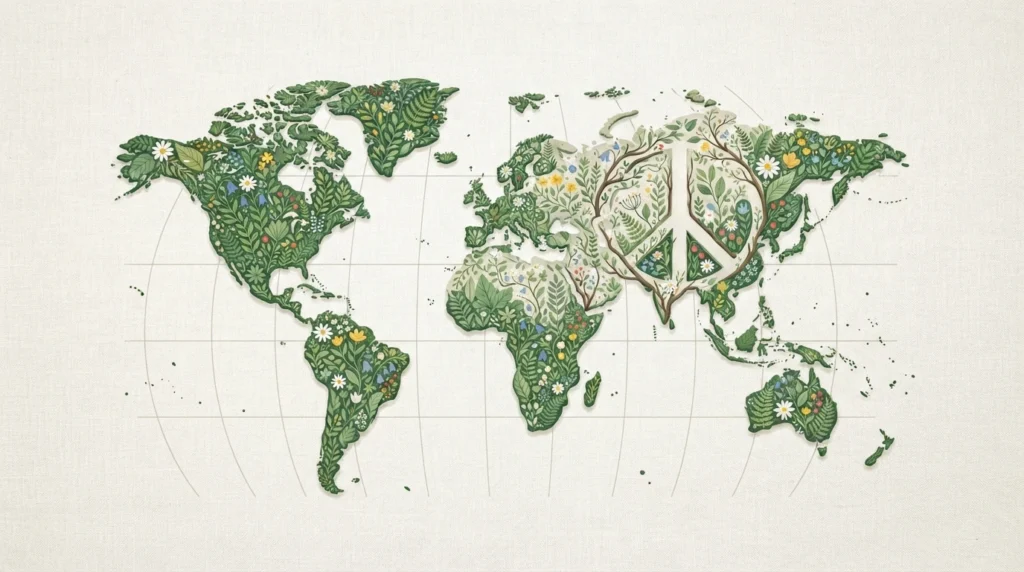
The messaging style developed during the Vietnam era didn’t disappear once the war ended. Many later peace and protest movements have borrowed similar techniques, favoring short, emotionally resonant phrases over lengthy political statements.
- Modern peace rallies often reuse phrases like “Peace Now” in new contexts.
- Anti conflict demonstrations frequently adapt the rhythm and structure of Vietnam-era chants.
- Social media campaigns continue the tradition of condensing political messages into shareable, memorable phrases.
This lasting influence shows how effective short form protest language can be, remaining relevant across generations even as the specific conflicts being protested change entirely.
What Makes a Protest Slogan Effective
Understanding why certain anti war slogans became so widely adopted offers useful insight into political communication more broadly. A few key elements tend to define the most effective examples:
- Brevity. Short phrases are easier to chant, remember, and print on signs.
- Emotional resonance. Effective slogans tap into shared fear, hope, or moral conviction.
- Rhythm and repetition. Many of the most famous chants have a natural cadence that makes them easy to repeat in unison.
- Clarity of message. The best slogans communicate a clear position without requiring further explanation.
These same principles continue to shape political and social messaging today, whether in protest movements, advocacy campaigns, or public health communication.
Where Anti War Slogans Have Historically Appeared
Understanding the context in which these phrases were used helps explain their lasting impact. Historically, these slogans appeared in several key settings:
- Hand-painted protest signs and banners at rallies
- Buttons and pins worn by demonstrators
- Underground newspapers and movement newsletters
- Song lyrics and folk music performances
- Campus organizing materials and flyers
Each of these mediums helped spread the language of the movement to new audiences, reinforcing the same core messages across different formats and communities.
Frequently Asked Questions
What is the most famous anti war slogan in history?
“Make Love, Not War” is widely considered the most recognizable anti war slogan, closely associated with the 1960s counterculture and the broader Vietnam era peace movement.
Why were anti war slogans so effective during the Vietnam era?
They condensed complex political arguments into short, emotionally resonant phrases that were easy to chant, print on signs, and repeat across large crowds and media coverage.
Did anti war slogans influence the outcome of the Vietnam War?
Historians note that the broader anti war movement, reinforced by its slogans and demonstrations, contributed to pressure that led to troop withdrawal and the end of the military draft.
Are Vietnam era anti war slogans still used today?
Some phrases, like “Peace Now,” continue to appear in modern protest movements, showing the lasting influence of Vietnam-era messaging on later activism.
Who created these historical anti war slogans?
Most slogans emerged organically from grassroots activists, student organizations, and counterculture movements rather than being created by a single individual or group.
Conclusion
The history of anti war slogans shows how a few carefully chosen words can shape public opinion, unite large movements, and leave a lasting mark on political history.
From “Make Love, Not War” to “Bring the Troops Home Now,” these phrases captured the urgency and conviction of a generation demanding peace.
Understanding this history offers valuable insight not just into the Vietnam era itself, but into how language continues to shape political movements today.
References
- Sudoku Overview of Vietnam War protest slogans and their historical context
- History.com Coverage of Vietnam War protests and antiwar music
- USHistory.org Documentation of the antiwar movement and associated slogans
- Cultural Politics (culturalpolitics.net) Analysis of anti-war posters and peace movement messaging
- Smithsonian National Portrait Gallery (npg.si.edu) Historical documentation of Vietnam-era protest posters