The History and Meaning Behind the Movement’s Words
Few political debates in the United States generate as much passionate, polarized language as the conversation around firearms. Over the decades, activists on both sides of this issue have relied on short, memorable phrases to rally supporters and communicate their positions quickly.
Gun control slogans in particular have become a defining feature of advocacy efforts following mass shootings, school walkouts, and legislative campaigns across the country.
In this article, we’ll explore the history behind some of the most recognized gun control slogans, look at how they emerged from specific events and movements, and compare them to the phrases used by those who oppose new firearm restrictions.
This is intended as a factual, historical overview of the political messaging surrounding gun control slogans on both sides of a genuinely contested issue, not an endorsement of either position.
Why Gun Control Slogans Became So Prominent in Public Debate
Political movements often rely on short, repeatable phrases because they compress complicated policy positions into something that can be chanted at a rally, printed on a sign, or shared instantly on social media.
This is exactly why gun control slogans have become such a visible part of American political life, particularly in the aftermath of high-profile shootings that draw national attention.
The phrase “Never Again,” originally associated with Holocaust remembrance, has taken on a new life in the American gun control movement, illustrating how existing language can be repurposed to carry fresh political weight during moments of crisis.
This kind of linguistic evolution shows how gun control slogans often borrow emotional resonance from earlier movements to strengthen their own message.
How Major Events Shaped Modern Gun Control Slogans
Following school walkouts and marches organized by students and parents, phrases like “Enough is Enough,” “Protect Kids Not Guns,” and “No More Silence, End Gun Violence” became closely associated with organized demonstrations demanding stricter firearm laws.
These events, often organized in direct response to school shootings, gave rise to slogans that spread quickly through news coverage and social media.
The Role of Youth Activism in Popularizing These Phrases
Student-led movements have played a particularly visible role in shaping modern gun control slogans, with young activists often leading marches and public demonstrations following school shootings.
This youth-driven energy has helped push certain phrases, especially those tied to school safety, into mainstream media coverage far more quickly than in previous decades.
Famous Gun Control Slogans From Recent Movements
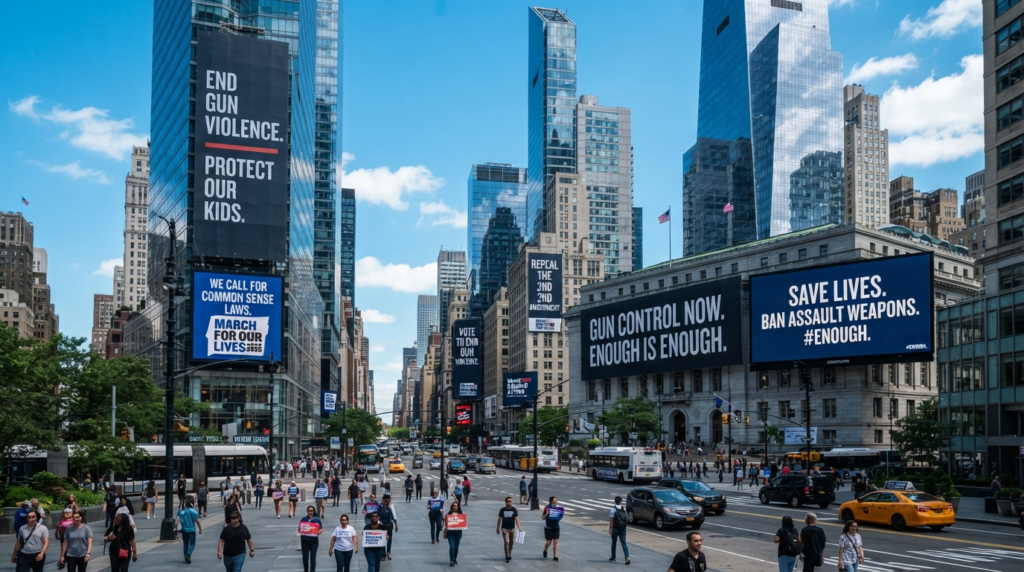
Several phrases have become closely tied to gun control advocacy in the United States, particularly following major national tragedies. Here are some of the most recognized examples documented in news coverage and activist materials:
- “Never Again”
- “Enough is Enough”
- “Protect Kids Not Guns”
- “No More Silence, End Gun Violence”
- “Gun Reform Now”
- “We Call BS”
- “If Not Now, When?”
“A slogan chanted by thousands can carry more emotional weight than any policy paper.”
Following the Sandy Hook Elementary School shooting in Newtown, Connecticut, the National Rifle Association released a statement expressing its willingness to help make sure such a tragedy would never happen again, showing how even opposing organizations sometimes echo similar language during moments of national grief.
How Gun Control Slogans Compare to Gun Rights Messaging Today
Understanding gun control slogans is easier when compared directly to the phrases used by those who oppose new firearm restrictions. This comparison highlights just how differently both sides frame the same underlying debate.
One of the most well-known phrases opposing gun control, “I’ll give you my gun when you pry it from my cold, dead hands,” dates back to the 1970s and gained widespread recognition after actor Charlton Heston used it to close a speech at the 2000 National Rifle Association convention.
This phrase remains one of the most recognizable examples of gun rights messaging, often used as a direct counterpoint to gun control slogans.
The Origins of Popular Counter-Slogans to Gun Control Slogans
Another widely used phrase, “Guns don’t kill people, people kill people,” dates back to at least the 1910s and became especially popular among gun rights advocates during the second half of the twentieth century, often cited as a rebuttal to arguments in favor of stricter firearm regulation.
This phrase has been referenced and debated by supporters and critics alike, making it one of the most discussed examples in the broader gun debate.
How Both Sides Use Emotional Language After Tragedies
Following the defeat of a proposed background check bill in Congress, then-NRA Executive Vice President Wayne LaPierre told supporters at the organization’s convention, “We will never surrender our guns, never,” directly framing new gun laws as a threat to personal freedom.
This kind of emotionally charged language mirrors the intensity often found in gun control slogans, showing that both sides of the debate rely heavily on short, powerful phrases to rally their respective audiences.
Original Gun Control Slogans for Local Awareness Campaigns and Events
Beyond the phrases already associated with major national movements, organizations and individuals often need fresh, original language for local awareness campaigns, school events, or community demonstrations. Here are some original phrase ideas designed for that purpose:
- “Safety shouldn’t require sacrifice.”
- “Every child deserves to feel safe at school.”
- “Words won’t stop bullets, but laws might.”
- “Silence changes nothing, action changes everything.”
- “Our communities deserve better protection.”
- “Prevention starts with policy.”
- “Change doesn’t wait for the next tragedy.”
Short Phrases for Signs and Social Media Posts
Sometimes the most effective messaging comes from brief, easily shareable phrases. Here are some short options designed for protest signs or social media graphics:
- “Enough tragedy, time for change.”
- “Protect people, not just policy.”
- “Our voices, our safety.”
- “Change is overdue.”
How State and Local Campaigns Have Adapted Gun Control Slogans
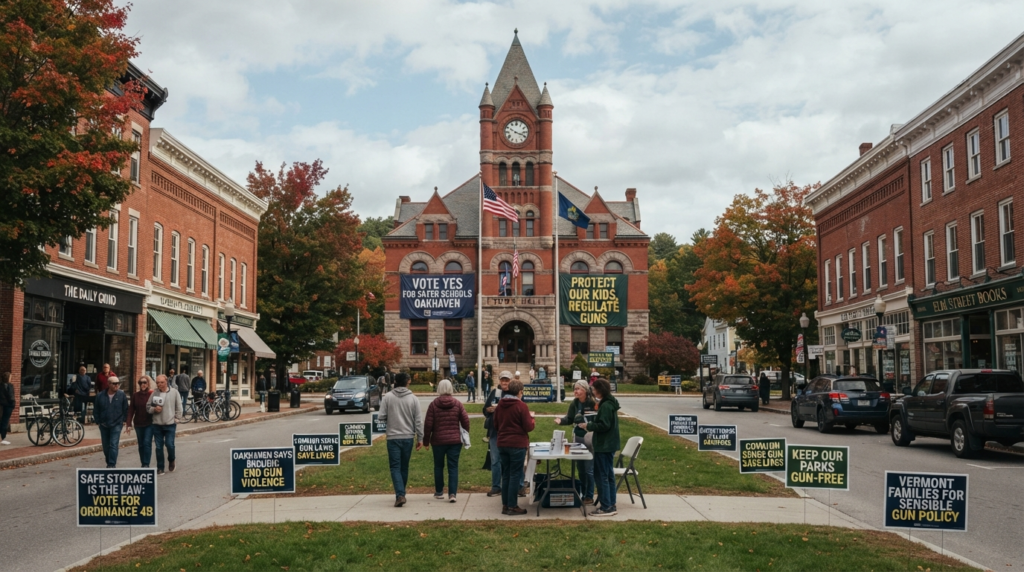
National movements aren’t the only source of this kind of messaging. State legislatures, city councils, and local advocacy groups have often developed their own gun control slogans tailored to regional concerns, such as specific state laws or local incidents of gun violence.
These localized campaigns frequently borrow language from national movements while adjusting the message to fit specific legislative goals, such as universal background checks, red flag laws, or waiting periods.
Why Localized Messaging Matters in This Debate
Because firearm laws vary significantly from state to state, local advocacy groups often find that broad, national gun control slogans don’t always translate directly into support for specific state-level legislation.
As a result, many organizations develop separate messaging that speaks more directly to the particular policies under consideration in their region, even while echoing the emotional tone of larger national campaigns.
Why Gun Control Slogans Remain So Deeply Contested
Legal scholars and Supreme Court justices have long disagreed over how the Second Amendment should be interpreted, with some arguing it protects an individual right to bear arms and others contending that interpretation has been overstated by advocacy groups over the decades.
This ongoing legal and constitutional disagreement is part of why gun control slogans continue to generate such strong reactions from people on both sides of the issue.
How Public Opinion Has Shaped the Debate Over Time
Public opinion on firearm regulation has shifted repeatedly over the decades, often in direct response to major shootings, court rulings, and legislative battles.
This fluctuating landscape helps explain why both gun control slogans and gun rights slogans continue to evolve, borrowing language from earlier movements while adapting to new political moments.
How to Approach This Topic Respectfully in Public Messaging
For those creating content, signage, or campaigns related to this issue, a few practical considerations can help ensure messaging remains clear and respectful:
- Be precise about your specific goal. Gun control covers a wide range of policies, from background checks to specific weapon restrictions, so vague language can create confusion.
- Acknowledge the complexity of the debate. Even within advocacy movements, opinions on specific policies can vary significantly.
- Avoid inflammatory language when possible. Given how emotionally charged this topic is, measured language often reaches broader audiences more effectively than intentionally provocative phrasing.
- Cite credible sources when discussing statistics. Claims about gun violence or crime rates should be backed by reputable research organizations.
Where Gun Control Slogans Have Historically Appeared and Spread
These phrases have shown up across a wide variety of formats and settings over the years, including:
- Protest signs and rally banners at national marches
- School walkout demonstrations and student-led events
- Social media campaigns and awareness hashtags
- T-shirts and printed advocacy merchandise
- News coverage and televised interviews following major shootings
- Legislative testimony and public hearings
Each of these settings has helped spread these phrases to wider audiences, contributing to their continued presence in American political discourse.
Frequently Asked Questions
What are the most well-known gun control slogans in recent history?
“Never Again” has become one of the most widely recognized phrases associated with the modern gun control movement, particularly following school shootings and student-led demonstrations.
Where did the phrase “Never Again” originally come from?
The phrase originated in the context of Holocaust remembrance before being adopted by various causes over the decades, including the gun control movement following school shootings.
What are some common phrases used by those who oppose gun control?
Well-known counter-phrases include “Guns don’t kill people, people kill people” and “I’ll give you my gun when you pry it from my cold, dead hands,” both closely associated with gun rights advocacy.
Are gun control slogans used primarily by one political group or movement?
While these phrases are most closely associated with gun control advocacy organizations and student-led movements, public opinion on specific firearm policies varies widely across the political spectrum.
Why does this topic remain so contested in American politics?
Ongoing disagreement over the interpretation of the Second Amendment, combined with differing views on public safety and individual rights, continues to fuel debate on both sides of this issue.
Conclusion
The history behind gun control slogans reveals just how powerful short, emotionally resonant language can be in shaping public debate. Understanding the origins of these gun control slogans and the language used in response to them offers valuable context for anyone following this ongoing conversation.
From “Never Again” to “Enough is Enough,” these gun control slogans have played a significant role in mobilizing supporters following national tragedies, while opposing phrases like “Guns don’t kill people, people kill people” continue to represent the other side of this deeply contested issue.
Understanding the origins and context behind this language offers valuable insight into how political movements communicate, regardless of where any individual stands on the underlying policy questions.
References
- Jewish Telegraphic Agency History of the “Never Again” slogan and its adoption by the gun control movement
- Wikipedia Documentation of “From My Cold, Dead Hands” and its origins in gun rights advocacy
- Wikipedia Background on “Guns Don’t Kill People, People Kill People” and its use in gun debate discourse
- NPR Coverage of NRA statements following the Sandy Hook Elementary School shooting
- NBC News Reporting on NRA leadership statements regarding gun rights and legislation
- Princeton Alumni Weekly Commentary on Second Amendment interpretation and legal scholarship